Reading guideA New EarthEckhart TolleEdition independent
Contemporary teaching
A New Earth
Eckhart Tolle
4 min guideFind a book for the question you’re carrying. Follow a reading path through philosophy, spiritual traditions, creative work, and building a life of your own.
Selected reading order
Six different ways in. The numbers show my suggested reading order across these topics.
Six ways into the collection
Read the primary texts with their traditions and translations in view.
16 books · Explore collection
Yogananda, Michael Singer, and contemporary contemplative voices.
18 books · Explore collection
Taoism, Stoicism, and books that change the questions you ask.
15 books · Explore collection
The craft, friendships, and scenes behind work that lasts.
21 books · Explore collection
Focus, customers, money, and the decisions that shape a company.
13 books · Explore collection
Purpose and the small practices that give a life its shape.
24 books · Explore collection
80 books
Contemporary teaching
Eckhart Tolle
4 min guideSpiritual memoir
Paramahansa Yogananda
4 min guidePrimary text
Multiple Zoroastrian textual traditions
10 min guideSpiritual memoir
Ram Dass
4 min guideContemporary teaching
Michael A. Singer
4 min guidePrimary text
Sikh Gurus and other devotional poets
10 min guideModern commentary
Christopher D. Wallis
4 min guidePrimary text
Umasvati
10 min guidePrimary text
Sayings of Confucius, compiled by followers
10 min guidePrimary text
Traditionally attributed to Vyasa
10 min guidePrimary text
Multiple authors; Christian scriptural traditions
10 min guidePrimary text
Teachings attributed to the Buddha
10 min guidePrimary text
Mahayana Buddhist scripture
10 min guidePrimary text
Bahá’u’lláh
10 min guideContemporary teaching
Thich Nhat Hanh
4 min guideContemporary teaching
Eckhart Tolle
4 min guidePrimary text
Islamic scripture
10 min guideSpiritual memoir
Michael A. Singer
4 min guidePrimary text
Multiple authors; Jewish scriptural tradition
10 min guideContemporary teaching
Michael A. Singer
4 min guidePrimary text
Multiple teachers and textual traditions
10 min guidePrimary text
Attributed to Patanjali
10 min guidePrimary text
Anonymous; Shaiva Tantric tradition
10 min guideContemporary teaching
Pema Chödrön
4 min guideContemporary teaching
Michael A. Singer
4 min guidePrimary text
Zhuangzi and later contributors
10 min guideReading field note
Ken Keyes Jr.
22 min
Reading field note
Reid Hoffman and Chris Yeh
5 minBook review
Michael Diamond & Adam Horovitz
8 minBook review
Jeff Chang
8 minBook review
Bob Dylan
7 minBook review
Kim Gordon
7 minBook review
Patti Smith
7 minBook review
Michael Azerrad
8 minPrimary text
Lao Tzu
6 min guideBook review
David Bayles and Ted Orland
5 minBook review
Anne Lamott
6 minBook review
Austin Kleon
4 min
Book review
Frank
6 minBook review
Daniel Goleman and Richard Davidson
7 minBook review
Lynne McTaggart
6 minBook review
James Nestor
7 minBook review
Pam Grout
6 minBook review
Rhonda Byrne
6 minBook review
Frank
6 minBook review
David Byrne
8 minBook review
Patti Smith
7 minBook review
Keith Richards
8 minBook review
Lizzy Goodman
8 minBook review
Miles Davis with Quincy Troupe
8 minBook review
Legs McNeil & Gillian McCain
8 minBook review
Andy Warhol & Pat Hackett
7 minBook review
Rick Rubin
7 min
Book review
Mieko Kamiya
5 min
Book review
Héctor García & Francesc Miralles
6 min
Book review
Dan Buettner
7 minBook review
Ken Mogi
5 minBook review
Richard C. Schwartz
7 min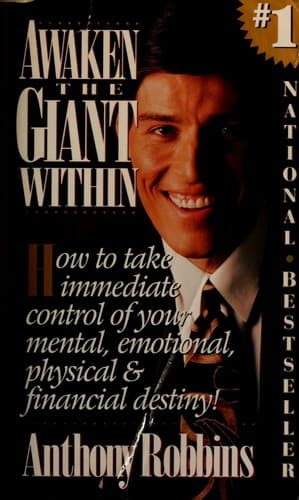
Book review
Tony Robbins
8 min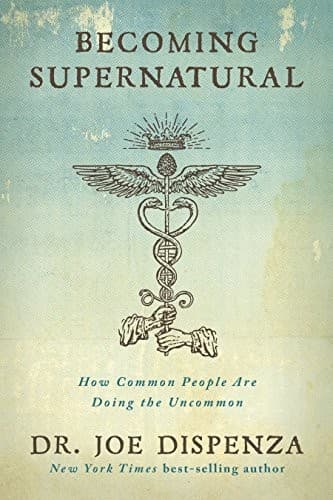
Book review
Joe Dispenza
8 min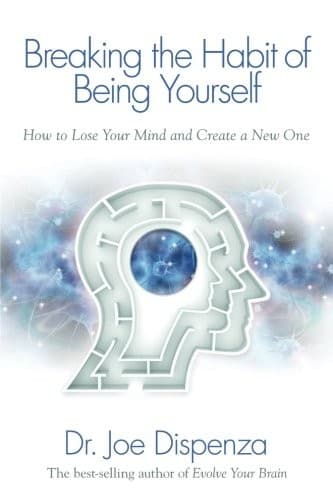
Book review
Joe Dispenza
7 min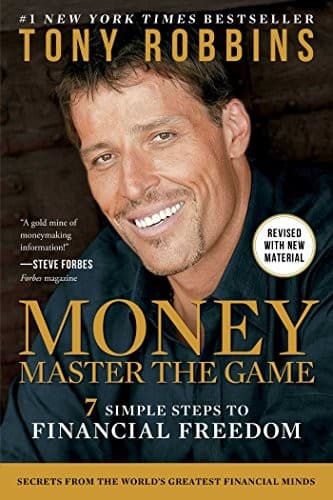
Book review
Tony Robbins
9 min
Book review
Pat Flynn
6 min
Book review
Tim Ferriss
8 min
Book review
Tim Ferriss
8 min
Book review
Tim Ferriss
10 min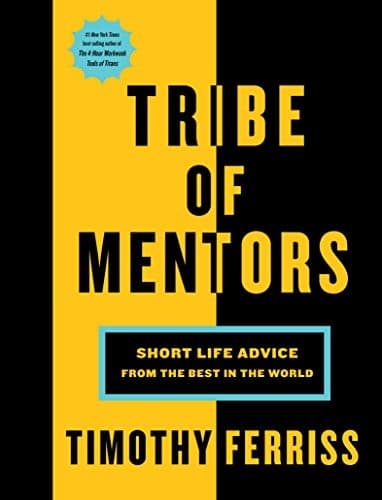
Book review
Tim Ferriss
10 min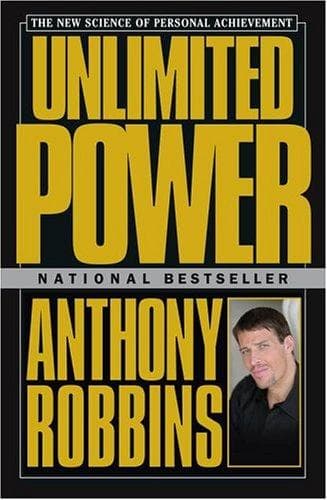
Book review
Tony Robbins
7 min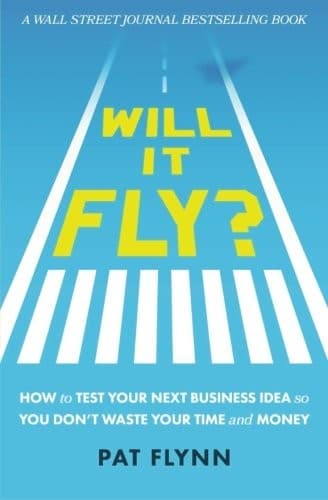
Book review
Pat Flynn
7 min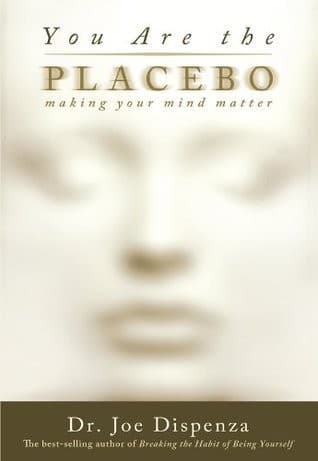
Book review
Joe Dispenza
7 min
Book review
Mike Michalowicz
6 min
Book review
David Deutsch
8 min
Book review
James Clear
6 min
Book review
David Goggins
6 min
Book review
Cal Newport
7 min
Book review
Viktor E. Frankl
6 min
Book review
Marcus Aurelius
7 min
Book review
Paulo Coelho
5 min
Book review
Steven Pressfield
5 min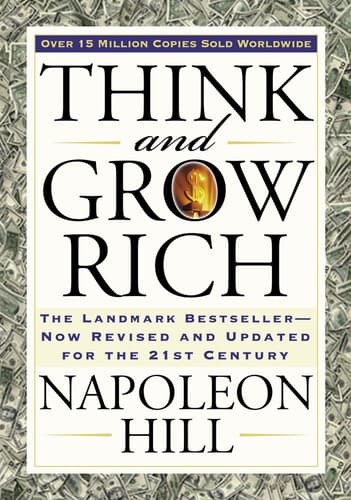
Book review
Napoleon Hill
7 minSome of the books in this library are not just reading recommendations — they are sources for deep research articles. Where four library books cluster around one idea, you can read the meta-article that synthesises them.
Blue Zones · Ikigai · AI Era
Kamiya (1966), Buettner (2005), García & Miralles (2016), Mogi (2017) — the lineage of ikigai from psychiatric foundation to global bestseller, with an honest reckoning of the 2014 Western Venn. 12-minute read.
Some of these sources changed how I build, teach, and create. My books turn that reading into original frameworks, with the influences kept visible.
Explore FrankX books