AI Infrastructure Economics: Blackwell, LPUs & Sovereign AI Factories
TL;DR
AI infrastructure has transitioned from traditional server racks to megawatt-scale AI factories. NVIDIA GB200 NVL72 liquid-cooled racks solve high-bandwidth inter-chip communication, Groq LPUs and Cerebras WSE-3 optimize ultra-low latency token generation, and custom ASICs (Google TPU v6e, AWS Trainium2) establish specialized economics across the hyperscaler landscape.

Master the physical constraints, thermodynamics, silicon architectures, and financial economics of high-density AI clusters across GPUs, LPUs, TPUs, and sovereign on-premise AI factories.
Evaluate infrastructure not by raw GPU hourly rental prices, but by Cost Per Verified Outcome. Factor in memory bandwidth bottlenecks, interconnect topology (NVLink copper vs. InfiniBand/RoCEv2), thermal density (kW/rack), and token generation latency for multi-turn agent swarms.
The industrialization of artificial intelligence is fundamentally a problem of thermodynamics, silicon architecture, and interconnect physics. As frontier models scale into multi-trillion-parameter reasoning systems, the computational bottleneck has shifted from raw algorithmic design to three hard physical constraints:
- Power Delivery & Grid Capacity: Facilities requiring 100MW to 500MW substations with high-voltage DC distribution.
- Thermal Dissipation & Fluid Dynamics: Direct-to-chip liquid cooling manifolds managing 120kW to 140kW per rack.
- Bisection Interconnect Bandwidth: Massive multi-terabyte-per-second switching fabrics (NVLink 5, RoCEv2, Ultra Ethernet) preventing distributed tensor-parallel stalls.
This architectural treatise provides a sovereign, vendor-neutral analysis of the global AI compute landscape—spanning NVIDIA Blackwell, Groq LPUs, Cerebras Wafer-Scale systems, hyperscaler custom ASICs, and sovereign on-premise infrastructure.






┌─────────────────────────────────────────────────────────────────────────────┐
│                 SOVEREIGN AI FACTORY INFRASTRUCTURE TOPOLOGY                │
├─────────────────────────────────────────────────────────────────────────────┤
│  Grid Ingress: High-Voltage Substation (100MW–500MW) ──► 400V DC Busbar     │
│       │                                                                     │
│       ▼                                                                     │
│  [Cooling Distribution Units (CDUs) · Direct-to-Chip Liquid Manifolds]      │
│       │                                                                     │
│       ├──► [NVIDIA GB200 NVL72 Superclusters] ──► NVLink 5 Spine (1.8 TB/s) │
│       │         │                                                           │
│       │         ▼ (Massive Batch Inference & Multi-Modal Pre-Training)      │
│       │                                                                     │
│       ├──► [Groq LPU Inference Racks] ─────────► On-Chip SRAM (80 TB/s)     │
│       │         │                                                           │
│       │         ▼ (Sub-15ms Time-to-First-Token Agentic Tool Loops)         │
│       │                                                                     │
│       ├──► [Cerebras CS-3 Wafer-Scale Clusters] ─► 44GB On-Wafer SRAM       │
│       │         │                                                           │
│       │         ▼ (Extreme Token Velocity & Scientific Simulation)          │
│       │                                                                     │
│       └──► [Hyperscaler Custom Silicon] ───────► TPU v6e / Trainium2 / Maia │
│                 │                                                           │
│                 ▼ (Specialized Workload Cost Optimization)                  │
└─────────────────────────────────────────────────────────────────────────────┘
1. The Thermodynamics of the Modern AI Factory
Traditional enterprise datacenters were engineered for standard server densities of 8 kW to 15 kW per rack, relying entirely on chilled air convection. Modern AI clusters like the NVIDIA GB200 NVL72 draw 120 kW to 140 kW per rack.
At this thermal density, air cooling fails due to the physical limits of airflow resistance and fan power consumption. Modern facilities must implement Direct-to-Chip (D2C) Liquid Cooling:
┌─────────────────────────────────────────────────────────────┐
│               DIRECT-TO-CHIP LIQUID COOLING LOOP            │
├─────────────────────────────────────────────────────────────┤
│  Facility Water Supply (25°C – 32°C)                        │
│       │                                                     │
│       ▼                                                     │
│  [Primary Heat Exchanger / CDU]                             │
│       │                                                     │
│       ▼ (Secondary Deionized Water-Glycol Loop)             │
│  [Rack Manifold] ──► Micro-Channel Cold Plates (GPU/CPU)   │
│       │                                                     │
│       ▼ (Absorbed Heat: Return Water at 45°C – 55°C)        │
│  [Warm Water Return to Dry Coolers / District Heating]      │
└─────────────────────────────────────────────────────────────┘
Key Thermodynamic Metrics:
- Power Usage Effectiveness (PUE): Modern liquid-cooled AI factories achieve PUE ratings below 1.10, compared to 1.4–1.6 in legacy air-cooled facilities.
- Cooling Distribution Units (CDUs): Provide isolated, closed-loop fluid circulation with micro-filtration to eliminate cavitation and galvanic corrosion across copper-nickel heat sinks.
- Direct 400V DC Distribution: Eliminating multiple AC-to-DC rectification steps inside the rack reduces electrical conversion losses by 8–12%.
2. Silicon Architecture Matrix: GPUs vs. LPUs vs. Wafer-Scale
Different AI workloads exhibit fundamentally different computational profiles. Training a 1-trillion parameter model requires massive raw HBM capacity, whereas running an interactive multi-agent tool loop requires ultra-low latency memory access.
| Architectural Dimension | NVIDIA GB200 NVL72 | Groq LPU | Cerebras CS-3 | Google TPU v6e (Trillium) |
|---|---|---|---|---|
| Primary Silicon Class | GPU Super-Chip | LPU (Spatial Processor) | Wafer-Scale Engine | Custom ASIC (TPU) |
| Compute Density | 1.44 Exaflops FP4 (Rack) | ~750 TFLOPS FP16 (Rack) | 125 PFLOPS FP16 (Wafer) | 918 TFLOPS BF16 (Chip) |
| Memory Technology | 30 TB HBM3e (Rack) | 230 MB On-Chip SRAM (Chip) | 44 GB On-Wafer SRAM | 32 GB HBM2e (Chip) |
| Memory Bandwidth | 576 TB/s (Aggregate Rack) | 80 TB/s per chip | 21 PB/s (On-Wafer) | 1.6 TB/s per chip |
| Interconnect Fabric | NVLink 5 (1.8 TB/s Copper) | Proprietary C2C Mesh | On-Wafer 2D Mesh | ICI Interconnect (4.8 Tbps) |
| Target Workload | Massive Pre-Training & Reasoning | Real-Time Voice & Agent Loops | Extreme Inference & Physics | Scalable Enterprise Inference |
3. NVIDIA Blackwell GB200 NVL72: The Single-Rack Supercomputer
The Blackwell architecture represents a paradigm shift from modular servers connected by external optical transceivers to a single unified computing spine:
┌─────────────────────────────────────────────────────────────┐
│                    GB200 NVL72 SINGLE RACK                  │
├─────────────────────────────────────────────────────────────┤

│  • 36 Grace CPUs (72 ARM Neoverse V2 Cores each)            │
│  • 72 Blackwell GPUs (Dual-Die TSMC 4NP Silicon)            │
│  • 9 NVLink Switch Trays with Copper Cartridge Spine        │
│  • 130 TB/s All-to-All Bisection Interconnect Bandwidth     │
│  • Zero Optical Transceivers inside the 72-GPU Domain       │
└─────────────────────────────────────────────────────────────┘
By utilizing a passive copper backplane across the rack, NVIDIA eliminates over 5,000 optical transceivers per cluster. This eliminates the primary point of physical failure in high-density datacenters while reducing rack electrical draw by 20 kW.
4. LPUs and Wafer-Scale Engines: The SRAM Revolution
The fundamental limitation of autoregressive LLM inference is the Memory Wall: loading model weights from external DRAM or HBM into compute registers for every generated token.
Groq LPU: Deterministic Spatial Processing
Groq eliminates external HBM entirely, embedding 230 MB of ultra-fast SRAM directly on each chip with 80 TB/s bandwidth.
- No Cache Misses: Memory access is scheduled deterministically at compile time.
- Latency Advantage: Delivers time-to-first-token under 15 milliseconds and sustained generation speeds of 500 to 800 tokens/second.
- Agentic Impact: Enables autonomous agent swarms to execute 10 sequential tool calls, schema validations, and trajectory corrections in under 3 seconds (compared to 45 seconds on standard GPU endpoints).
Cerebras CS-3: The Wafer-Scale Paradigm
Cerebras manufactures a single continuous silicon wafer containing 4 trillion transistors, 900,000 AI cores, and 44 GB of on-wafer SRAM delivering 21 Petabytes/second of memory bandwidth.
- Eliminates board-to-board latency bottlenecks entirely.
- Executes Llama-3.3-70B at over 2,100 tokens per second.
5. Sovereign Cloud & Hyperscaler Compute Landscape
Sovereign technical leadership requires evaluating compute providers across latency, interconnect capabilities, cost structures, and data sovereignty:
┌─────────────────────────────────────────────────────────────────────────────┐
│                      HYPERSCALER & SOVEREIGN CLOUD MATRIX                   │
├─────────────────────────────────────────────────────────────────────────────┤
│  1. Hyperscaler Ecosystems                                                  │
│     • AWS: Trainium2 (UltraClusters up to 100K chips) & EC2 P5e (H200)      │
│     • Google Cloud: TPU v6e (Trillium) & A3 Ultra Supercomputers            │
│     • Microsoft Azure: Maia 100 Custom ASICs & NDv5 Blackwell VMs          │
│                                                                             │
│  2. Sovereign & Pure-Play AI Bare-Metal Providers                          │
│     • CoreWeave: High-performance InfiniBand GPU fabrics with Kubernetes   │
│     • Lambda Labs: Bare-metal clusters and on-demand GPU clouds             │
│     • Nebius: European sovereign AI factories with direct green power       │
│     • Scaleway: EU-sovereign liquid-cooled clusters (AI Act compliant)      │
│                                                                             │
│  3. Sovereign On-Premise AI Infrastructure                                  │
│     • Enterprise Liquid-Cooled Micro-Pods (vLLM / SGLang / Ollama)          │
│     • Zero third-party telemetry, zero external IP leakage                  │
└─────────────────────────────────────────────────────────────────────────────┘
6. The Total Cost of Ownership (TCO) Equation
CPVO = (Hourly Compute Cost × Execution Latency in Hours) / Deterministic Verification Pass Rate
┌─────────────────────────────────────────────────────────────────────────────┐
│                    COST PER VERIFIED OUTCOME COMPARISON                     │
├─────────────────────────────────────────────────────────────────────────────┤
│  Scenario: 1,000 Multi-Turn Code Refactoring Agent Workflows                │
│                                                                             │
│  Option A: Low-Cost Legacy GPU ($2.00/hr · 45s Latency · 72% Pass Rate)     │
│  • Effective Cost per Verified Run: $0.0347                                 │
│                                                                             │
│  Option B: High-Performance LPU/Blackwell Mesh ($8.00/hr · 4s · 96% Pass)   │
│  • Effective Cost per Verified Run: $0.0092                                 │
│                                                                             │
│  Outcome: The higher-cost hardware is 73% CHEAPER in production.            │
└─────────────────────────────────────────────────────────────────────────────┘
Frequently Asked Questions
Why does interconnect bandwidth matter more than raw FLOPS in distributed inference?
During tensor-parallel and pipeline-parallel inference, every layer requires synchronization across GPUs. If interconnect bandwidth is insufficient, compute units sit idle waiting for weights and activations, causing latency spikes and cost inflation.
What is the difference between RoCEv2 and InfiniBand?
InfiniBand is a specialized, proprietary low-latency networking fabric designed for high-performance computing (HPC). RoCEv2 (RDMA over Converged Ethernet) brings equivalent remote direct memory access capabilities to standard enterprise Ethernet switches at lower capital cost.
Should an enterprise build an on-premise AI factory or rent cloud capacity?
If continuous GPU utilization exceeds 65% over a 24-month horizon, building a sovereign on-premise liquid-cooled cluster delivers 40% to 60% lower TCO than public cloud rental while guaranteeing complete data sovereignty.
Related Deep Dives in the Infrastructure Series
- The Sovereign AI Operating System: Local-Cloud Swarms and On-Premise Mesh
- Modern Agentic Systems Architecture: From ReAct Loops to Trajectory Evals
- Frontier Model Convergence: Test-Time Compute & The Reasoning Wave
- The 100-Domain Research Engine: Hardware & Systems Engineering Hub
- Model Intelligence Arena & Benchmarks
Build your first AI system
Step-by-step guide to setting up ACOS, creating your first agent, and shipping real products with AI.
Start buildingProduction-ready architecture
Download AI architecture templates, multi-agent blueprints, and prompt engineering patterns.
Browse templatesJoin the builder community
Connect with creators and architects shipping AI products. Weekly office hours, shared resources, direct access.
Join the circleTags

Read on FrankX.AI — AI Architecture, Music & Creator Intelligence
Stay in the intelligence loop
Weekly field notes on AI systems, production patterns, and builder strategy.
Continue Reading

The Cost-Per-Verified-Outcome: Enterprise AI Hardware TCO & ROI
Why hourly GPU rental rates are a misleading financial metric. How to calculate true AI infrastructure ROI using latency, verification pass rates, and outcome-based token economics.
Read article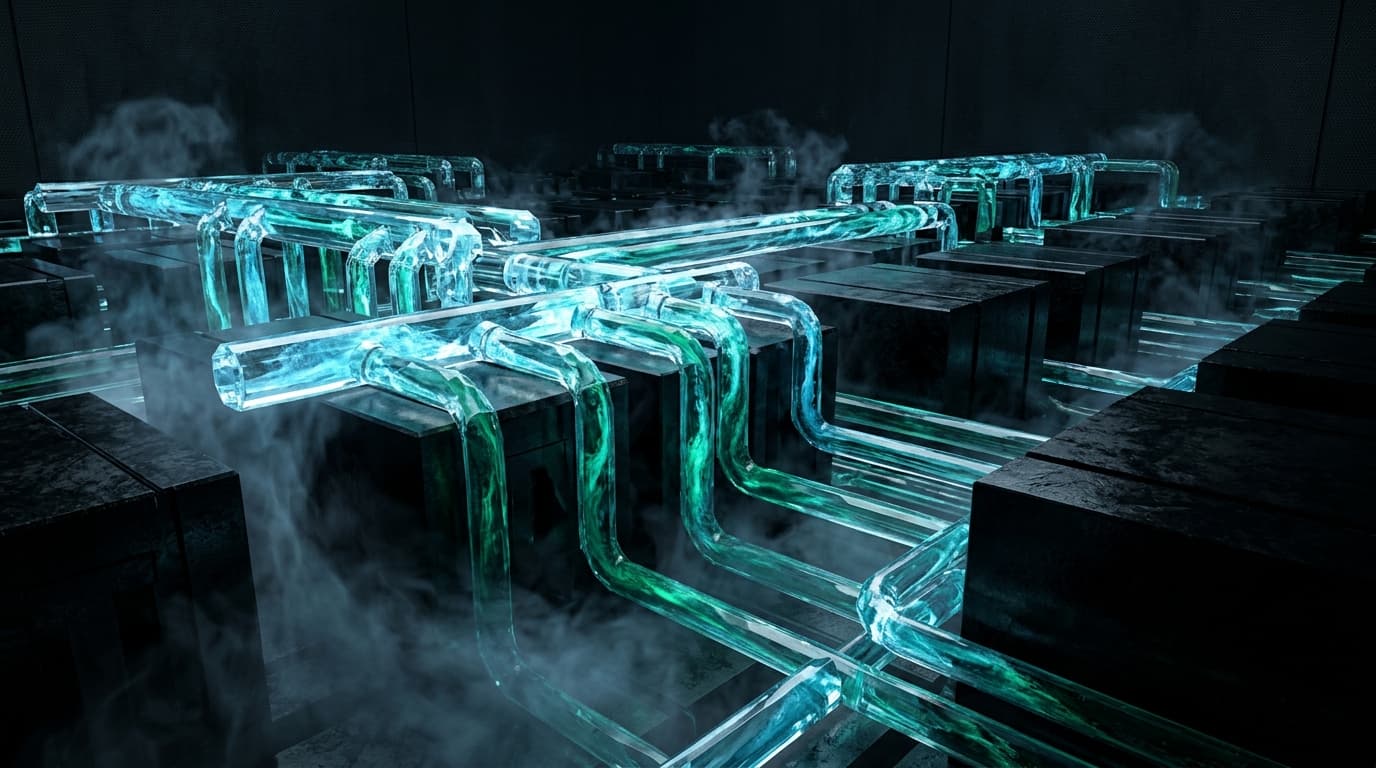
Datacenter Thermodynamics: Liquid Cooling Manifolds & 140kW Racks
The physics of megawatt AI factories. Analyzing Direct-to-Chip cooling manifolds, CDUs, dielectric immersion, and high-voltage DC power distribution.
Read article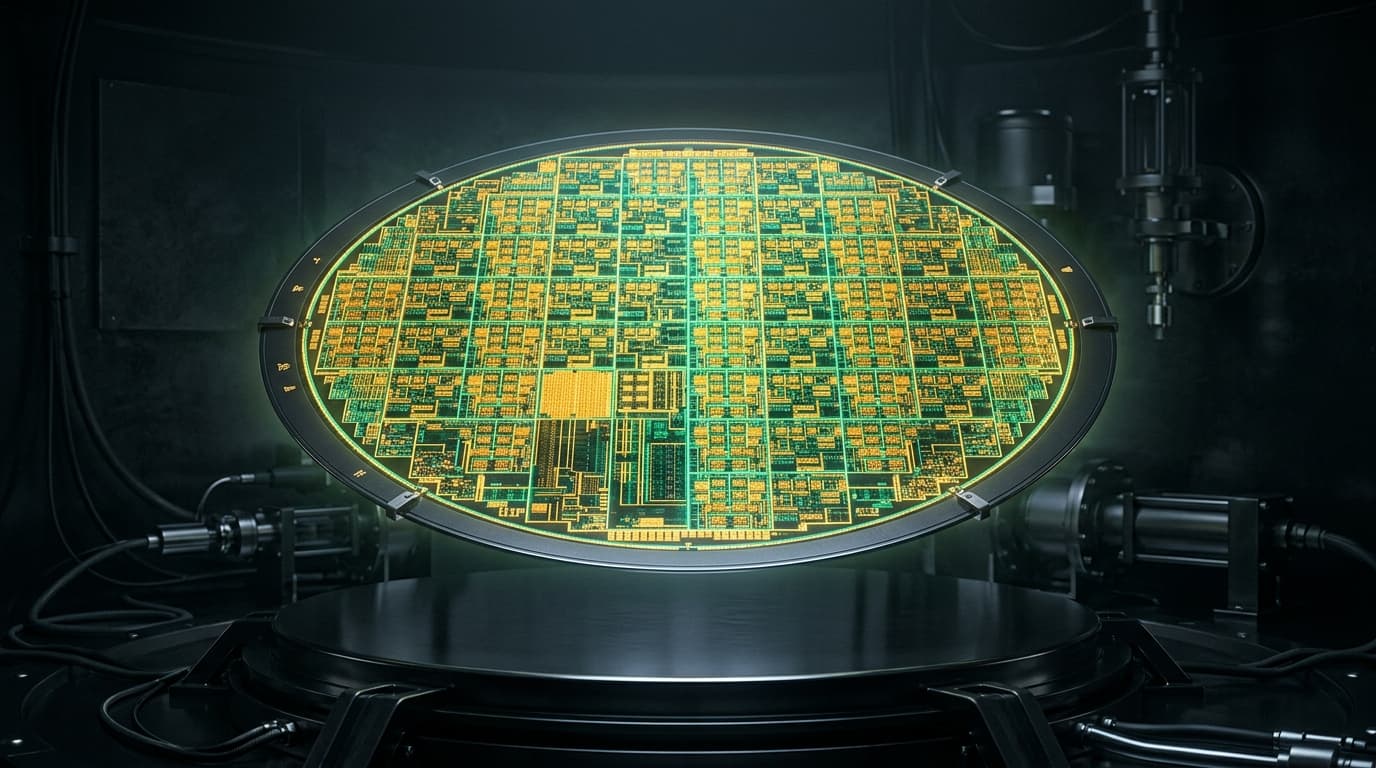
LPU & Wafer-Scale Economics: Why SRAM Beats HBM3e for Sub-10ms Agent Loops
A silicon and architectural analysis of Groq LPUs, Cerebras WSE-3, and SRAM computing. How spatial compute and deterministic bandwidth break the memory wall for real-time swarms.
Read article