Cyber Monday for AI Developers: Cut LLM Spend Without Flash Sales
TL;DR
Anthropic, Cursor, and Vercel do not run Cyber Monday flash sales in 2026. Instead of waiting for a 30% promo code, engineers cut monthly spend by 50 to 80 percent using four architectural habits: tiered model routing across subagents, explicit prompt-cache boundaries, Batch API for evals and migrations, and worktree context hygiene.

Replace Cyber Monday coupon hunting with four concrete engineering changes that permanently cut coding-agent and API token spend.
Cyber Monday for AI Developers: Cut LLM Spend Without Flash Sales
Every November, developer forums fill with threads asking whether Claude Code, Cursor, or Vercel Pro have secret Cyber Monday promo codes. They do not. Infrastructure and frontier-model vendors protect margin at the compute layer and save discounts for multi-year enterprise commits.
The good news: architectural cost discipline saves far more than a 25% seasonal coupon—and it compounds every single month in 2027.
Four Engineering Levers That Cut Spend Immediately
1. Tiered Model Routing Across Subagents
Running a frontier reasoning model on file discovery, test-log grepping, or mechanical formatting burns your highest-cost tokens on trivial reads.
- Exploration and file triage: Route to fast, low-cost models.
- Targeted implementation and refactoring: Use balanced coding models with scoped context windows.
- Architecture decisions and hard debugging: Reserve frontier reasoning models for planning, code review, and cross-module root-cause analysis.
See the full cost breakdown in Claude Code Pricing Explained 2026 and Cheapest Frontier Model Access 2026.
2. Design Around Prompt-Cache Prefixes
Modern coding loops re-send AGENTS.md, CLAUDE.md, repository maps, and tool schemas on every turn. If you inject changing timestamps, random task IDs, or volatile file trees at the top of the system prompt, you invalidate the prefix cache on every step.
Keep static instructions, schemas, and repo rules at the top; append dynamic diffs, terminal output, and user requests strictly at the bottom. Cache hits typically drop input token charges by an order of magnitude on long sessions.
3. Move Offline Work to Batch APIs
CI audits, bulk documentation checks, eval suites, and nightly repository classification jobs do not need interactive latency. Moving non-blocking agent jobs onto provider Batch APIs cuts per-token pricing in half across major labs with zero quality loss.
4. Isolate Worktrees and Trim Noisy Logs
A dirty repository with unignored build artifacts, test screenshots, or 40,000-line JSON dumps tricks coding agents into ingesting megabytes of irrelevant context.
- Run each autonomous branch in an isolated git worktree (
git worktree add). - Pipe verbose build or test logs to a scratch file and read only the tail or failing assertions.
- Compact or hand off cleanly once a milestone merges instead of dragging a 150-turn history into the next feature.
Where Real Team Budgets Should Go Instead
If your engineering team has remaining Q4 budget before December 31, spend it on durable capability rather than unused seats:
- Reusable skill packs and CI quality gates via Agentic Creator OS
- Production governance and template setups via FrankX Foundry
- Hands-on system architecture reviews via Work With Me
FAQ
Does Claude Code or Cursor have a Cyber Monday 2026 discount?
No. Neither Anthropic nor Cursor offers public Cyber Monday discount codes for individual developer subscriptions in 2026.
What is the fastest way to cut monthly coding-agent token costs?
Move exploration and log-scanning subagents onto fast low-cost models, keep static prompt instructions at the top of your context for cache hits, and isolate long tasks in clean git worktrees.
When does annual billing make sense for developer AI tools?
Annual billing only beats monthly when your weekly coding workload stays steady across all four quarters and you are already hitting tier caps every month.

Read on FrankX.AI — AI Architecture, Music & Creator Intelligence
Stay in the intelligence loop
Field notes on AI systems, production patterns, and builder strategy.
Continue Reading
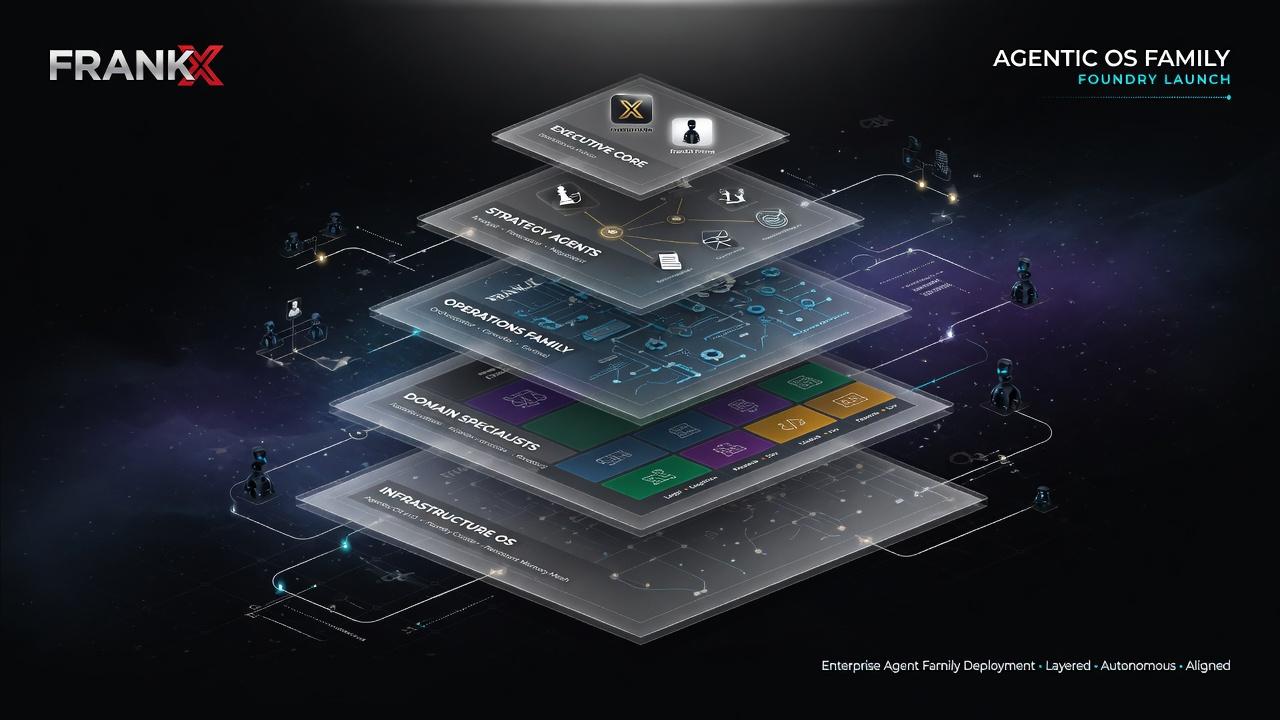
The Agentic OS Family: One Architecture, Installed Into Real Businesses
How a one-day install for a friend's company became agentic-business-os, a public template with a sync channel — and the Foundry, an application-only install service with priority for s...
Read article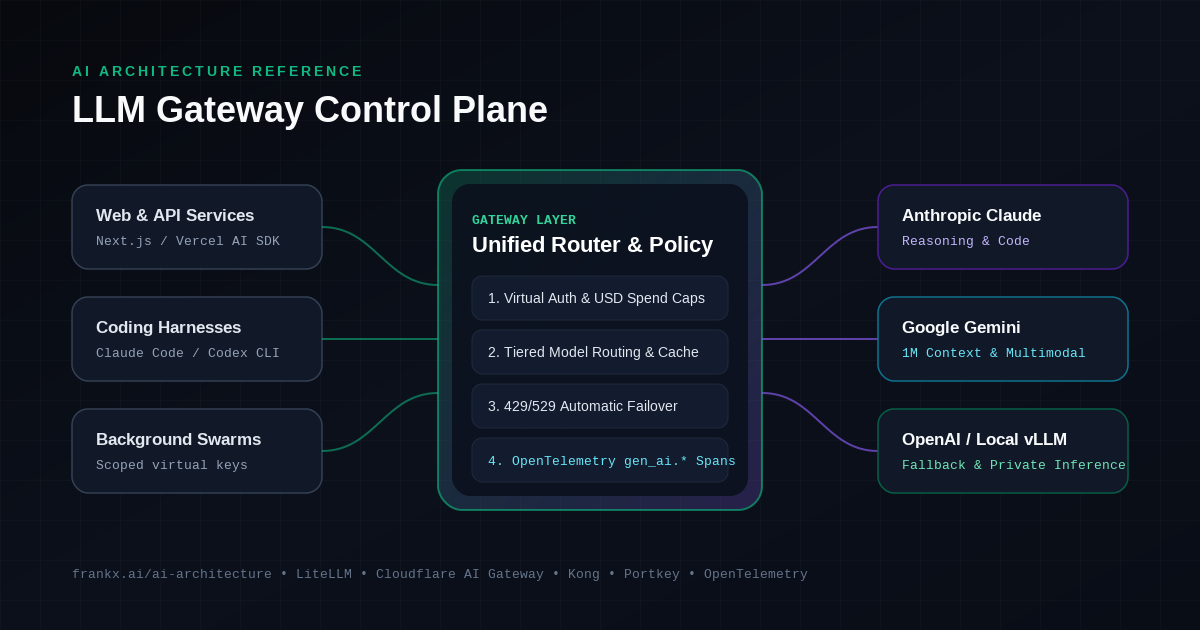
LLM Gateway Architecture Guide: Routing, Failover & Cost Control (2026)
How to design and select a production LLM gateway across LiteLLM, Cloudflare AI Gateway, Kong, Portkey, and Helicone — with fallback configs, spend caps, and OpenTelemetry spans.
Read article
Voice prompting for AI architects: dictate agent briefs
How to dictate Claude Code, Cursor and Codex briefs by voice: a six-part spoken structure, what to keep on the keyboard, and how to review before you send.
Read article